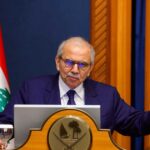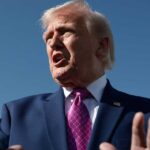

Donald Trump announced on Thursday that he held separate talks with Lebanese President Joseph Aoun and Israeli Prime Minister Benjamin Netanyahu, stating that the two leaders agreed to a formal 10-day ceasefire beginning at 5:00 PM Eastern Time. Trump added that he intends to invite both leaders to the White House for what would be the first substantive talks between Israel and Lebanon since 1983.
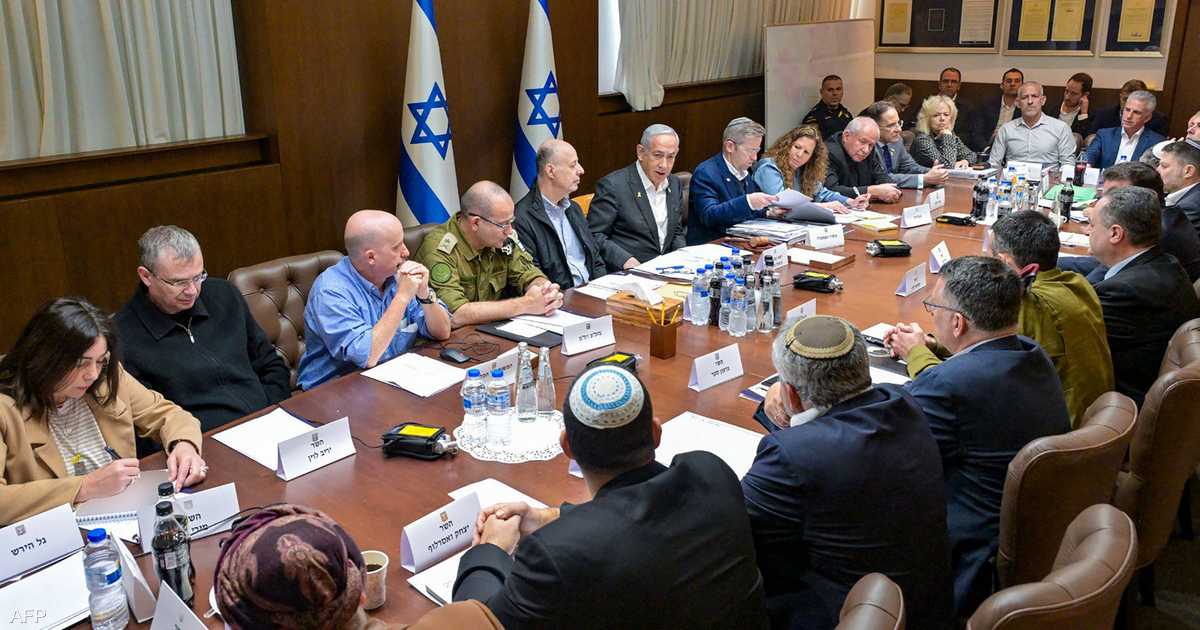
The announcement came shortly after Netanyahu convened an emergency meeting of his security cabinet via telephone to discuss a potential ceasefire. Reports indicate that security ministers learned of the U.S. announcement during the call, before any substantive discussion had taken place. The security council had gathered to discuss the situation in Lebanon without reaching a decision on a ceasefire. Earlier in the week, U.S. Secretary of State Marco Rubio hosted a meeting between Israeli and Lebanese diplomats to discuss the issue, though no decisions were reached.
A U.S. official told reports that Trump “welcomed” the ceasefire. On Wednesday evening, Trump posted on Truth Social that he was working to create “breathing room” between the two nations, noting that the leaders would speak on Thursday, though neither side had confirmed the meeting. In the morning, Rubio spoke with Aoun, who reportedly informed him that contacting Netanyahu was premature. Shortly after, Trump spoke with Aoun, marking the first time he has communicated with the Lebanese president since assuming office. Trump then announced the ceasefire.
Reports suggest the ceasefire plan is politically sensitive for Netanyahu but may assist Trump in reaching a broader peace agreement with Iran. Iran had previously viewed the continuous Israeli strikes in Lebanon as a violation of a ceasefire agreement with the United States. Conversely, the U.S. and Israel maintain that the ceasefire with Iran does not apply to Israeli operations against Hezbollah, following a series of strikes that resulted in significant casualties.