Successful Defense and Economic Continuity
Political and strategic researcher Amjad Tah stated that the Gulf Cooperation Council (GCC) countries have successfully thwarted missile and drone attacks, emphasizing that the efficiency of defense systems prevented any disruption to daily life or vital economic routes. He noted that military forces in the Gulf states, alongside Jordan, demonstrated professional capability in intercepting aerial threats. Tah added that life in Gulf cities continued in its natural pace without the need to declare states of emergency or impose movement restrictions, which he considered a strategic failure for Tehran’s attempts to destabilize the internal situation. He remarked that Gulf countries have no desire for war at this stage, stating that the region was in a defensive posture and achieved victory.
On the legal front, there are calls to activate international legal tools to pursue the Iranian system judicially. According to Tah, international law guarantees the right of regional states and individuals to claim financial compensation for damages to civil infrastructure, drawing a comparison to the UN compensation model approved for Kuwait from Iraq. The researcher emphasized that the strikes were not directed at military bases but focused on civilian facilities and residential areas, which strengthens the legal position of the Gulf states in international forums to claim compensation for losses.
In analyzing Iran’s strategy for survival, Tah believes Tehran relies primarily on exploiting “international contradictions” and differences between major powers, such as political gaps between Paris and Washington, to maneuver and circumvent pressures. The researcher also raised questions regarding Pakistan’s role, asserting that Islamabad succeeded in playing the role of mediator, in contrast to the lack of activation of joint defense agreements with Gulf states during critical times. He considered the Pakistani stance to have formed, at certain stages, a “breathing space” for the Iranian system, classifying Pakistan as a “mediator” rather than a “strategic ally” that can be relied upon.
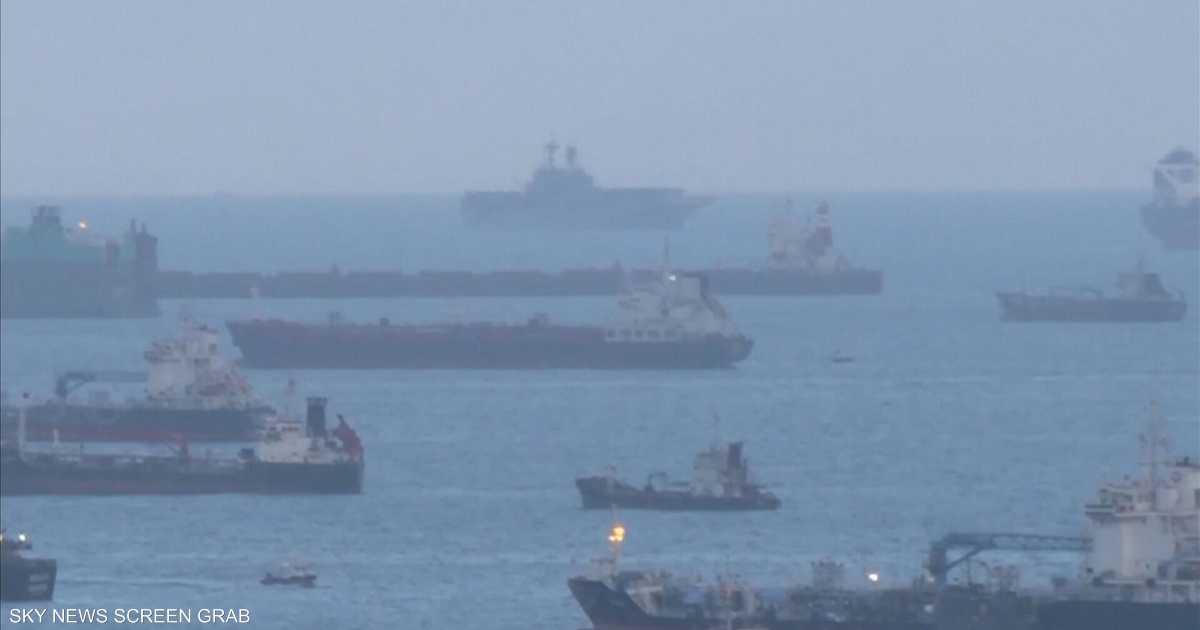
Tah stated that the future of navigation in the Strait of Hormuz remains unclear, pointing to potential scenarios including fully opening the passage, partially opening it temporarily, or organizing crossings through coordination with the Iranian Revolutionary Guard. He explained that Pakistan speaks of a limited opening for two weeks, while the United States has not defined a timeframe, which could indicate a full opening, whereas Iran confirms that crossings will be conducted with coordination. Tah added that oil tankers crossing the strait are not legally subject to Iran’s control, but noted the forced change of course for some tankers towards waters close to the Iranian coast.
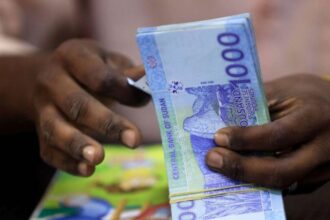
According to Tah, these practices could include imposing financial fees on tankers, potentially reaching two million dollars per ship, which could generate monthly revenues of approximately seven billion dollars. He mentioned media reports about the possibility of sharing these revenues with Oman at a rate of 50 percent. He also pointed out that payments could be made in Yuan instead of the Dollar, reflecting the role of China, which imports a large percentage of oil through the strait without exerting clear pressure on this file. He added that China’s role in the region appears limited despite being a guarantor of a previous agreement between Saudi Arabia and Iran, considering that the current scene involves an overlap of international power struggles, including the US, China, and Russia, alongside the tension between Israel and Iran.