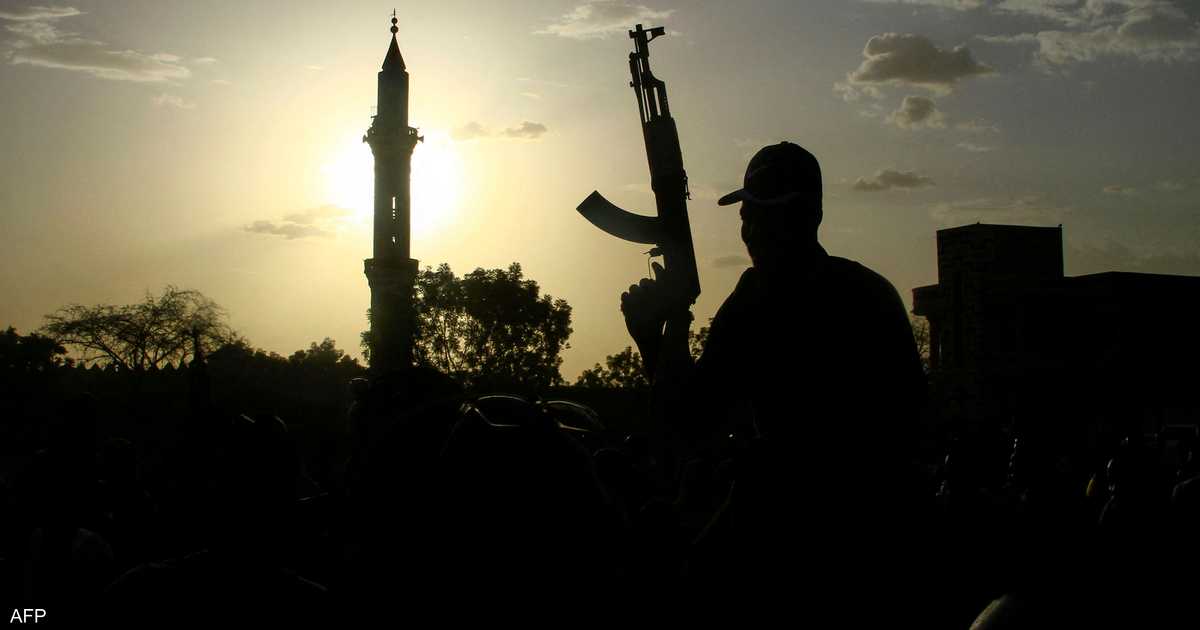
Leaders of the Egyptian Muslim Brotherhood announced their support for Iran following the recent military operations by the United States and Israel, stating their readiness to deploy allied forces to confront any potential American or Israeli landing in Iran. The statements were made by figures including Naji Abdullah, Yasser Obaidallah, Yusuf Al-Alam of the “Furqan” battalion, and Naji Mustafa, as part of a campaign calling for regional alignment with Tehran.
Historically, the Brotherhood’s stances in 1993 contributed to Sudan being listed as a state sponsor of terrorism. However, the civilian government led by Abdalla Hamdok succeeded in removing Sudan from the list shortly after taking power in April 2019. Since taking power in 1989, the Brotherhood sought to build close relations with Iran and provided sanctuary to terrorist groups and figures.
Academic Amin Mokhtar suggests that these recent statements by Brotherhood leaders could have serious repercussions for Sudan, particularly given the organization’s connection to the military and its strong influence over decision-making. Mokhtar notes that such rhetoric previously led to Sudan’s isolation from its external environment and the imposition of international sanctions. He adds that the leaders’ statements, which favor Iran, appear to aim at alienating the international community, which opposes the war in Sudan. Mokhtar argues that this behavior confirms the continuation of hostile ideologies that previously placed Sudan on the terrorist list and kept it in international isolation for years. He explains that the Brotherhood does not believe in the concept of a modern civil state and seeks to establish relations with extremist external groups to bolster internal hegemony.
Since the outbreak of fighting in Sudan in April 2023, reports have increasingly linked the Brotherhood to the conflict, suggesting a close relationship with Iran, which has reportedly increased its aid to Brotherhood-affiliated battalions. Despite repeated denials by army commander Abdel Fattah al-Burhan regarding the Brotherhood’s dominance in military decisions, analysts point to evidence suggesting the group’s influence, particularly regarding the rejection of peace solutions. Brotherhood battalons play a significant role in leading combat operations, benefiting from strong Iranian support, amid accusations that the organization sparked the war to gain full control of power.
Journalist Salah Jalal notes that these statements are inseparable from the ideological trend adopted by the organization. He states that they do not prioritize national security and have not learned from past experiences, which brought great problems to Sudan through their alliance with the Iranian system in the 1990s. Jalal believes these statements reflect a desire by Brotherhood leaders to drag Sudan into the conflict by aligning with Iran and undermining regional security. He also points to a clear coordination in stances, noting a contradiction in the statement issued by the military council’s foreign ministry, which simultaneously aligns with Iran while speaking with other regional states.