
President Trump’s public statements, alongside a significant military buildup in the region, suggest that the United States is on an irreversible path toward military action against Iran, despite intense regional diplomatic efforts to prevent conflict. While the U.S. has demonstrated military capability through operations in Venezuela, the ultimate objective regarding Iran remains unclear. Diplomatic allies are struggling to determine if the administration seeks a regime change or merely a deterrent message, especially given Trump’s assurances to Iranian protesters. Meanwhile, regional countries are coordinating diplomatic moves to avoid a war that could destabilize the area.
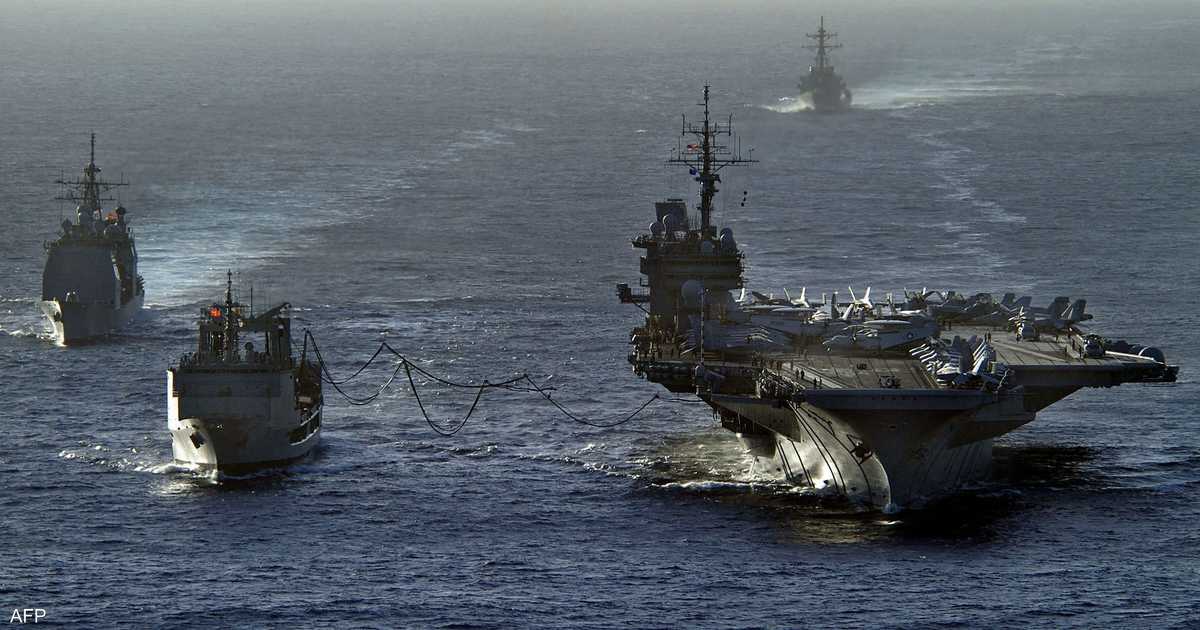
Militarily, Trump announced the movement of a “massive fleet” of warships to the region, describing the deployment as larger than the one used in Venezuela. The reinforcements include the USS Abraham Lincoln aircraft carrier, five guided-missile destroyers, and two coastal combatant ships designed to track Iranian missiles. Despite the posture resembling preparations for joint strikes with Israel, Trump left the door open for diplomacy, stating that if an agreement is reached, it is good, but if not, the consequences will be addressed. Trump believes Iran is interested in negotiating, aiming to balance his vision of a stable Middle East for trade with his hardline approach toward Tehran.