Private fuel companies have failed to reach an internal consensus regarding the distribution of fuel groups, leading to a request for the Ministry of Energy and Petroleum to intervene and resolve the issue through a binding administrative decision. The companies announced their intention to hold a press conference next Sunday to clarify their stance and protest what they term irregularities within the Ministry concerning fuel imports, specifically alleging that certain companies designated as “Fakka” are receiving import facilities despite lacking storage facilities or service stations.
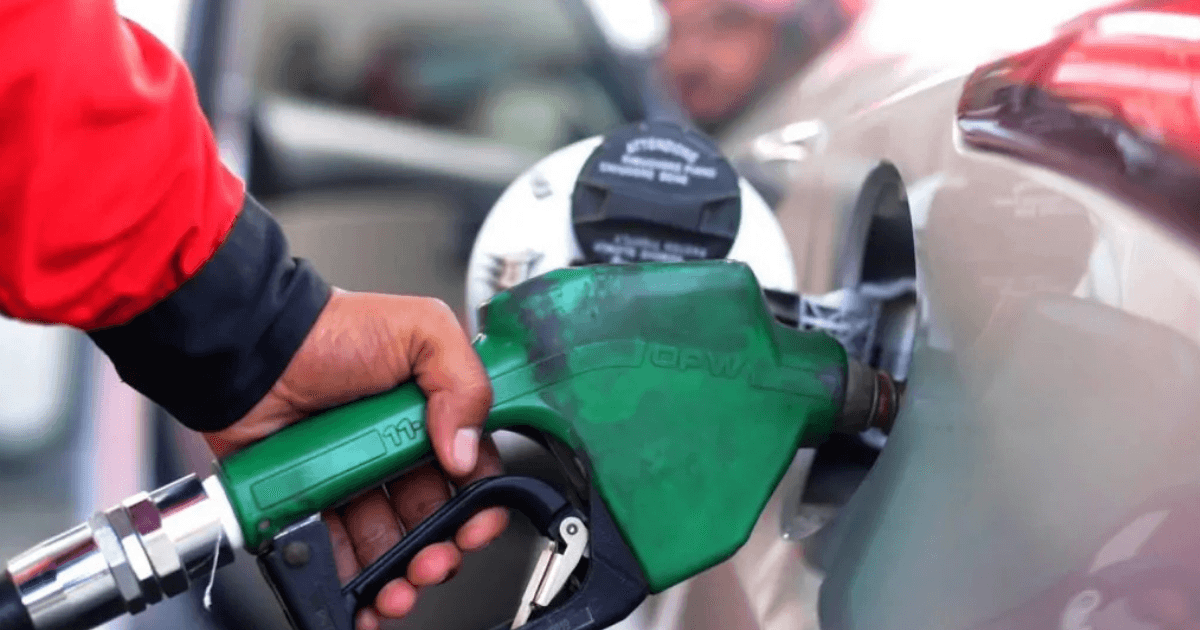
Despite these internal disputes, the actual fuel situation in the country remains stable. Data indicates the availability of 45,000 tons of kerosene (equivalent to 55 million liters) in Port Sudan storage tanks, with a vessel currently unloading an additional 41,000 tons. Regarding gasoline, 30,000 tons are already stored, with three additional ships each carrying 40,000 tons scheduled to arrive. Furthermore, there is no crisis in the cooking gas sector, and it is expected to remain stable in the near future.
This abundance of supply clarifies that the actual problem lies not in the shortage of fuel or gas, but rather in procedural transparency and the need to resolve conflicts of interest between public and private sectors that are causing public inconvenience.