
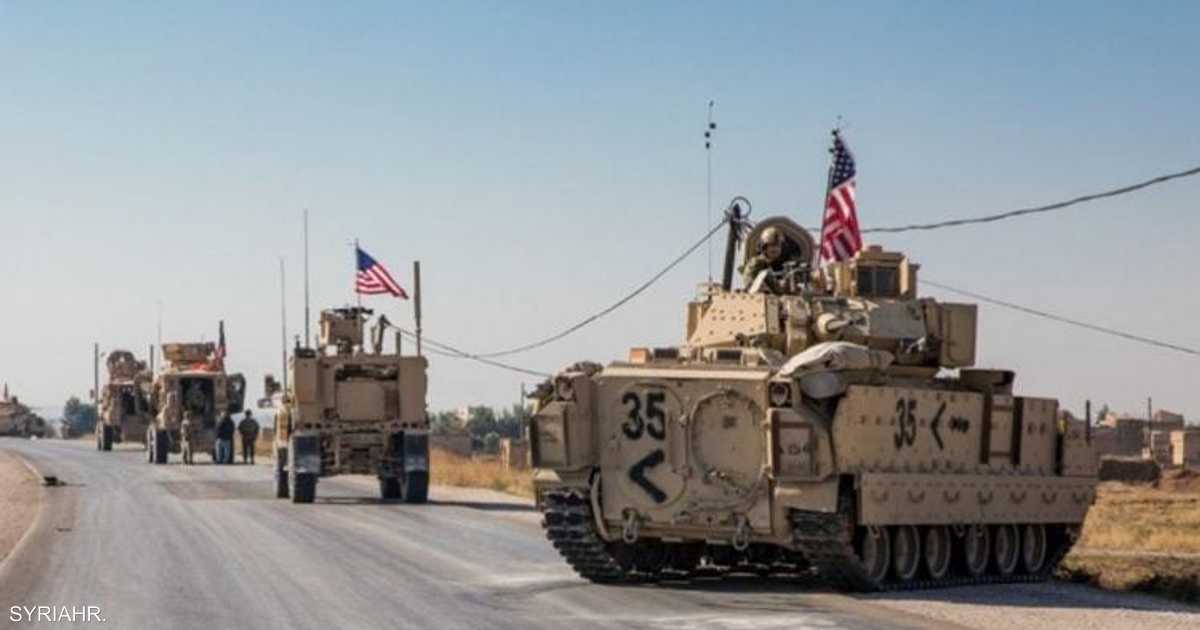
The United States military has completed the withdrawal of forces from the al-Tanf garrison and al-Shaddadi base in northeastern Syria. These locations, situated at the intersection of the Syrian, Jordanian, and Iraqi borders, were evacuated earlier this month, with plans to leave the remaining sites within the next two months. This development follows previous reports suggesting that Washington was considering a full withdrawal from the country.
Administration officials clarified that this strategic shift is not connected to the current naval and aerial deployments in the region. These forces, which include a carrier strike group, warships, and advanced fighter jets, are currently positioned to prepare for potential strikes on Iran should nuclear negotiations fail. The aircraft carrier USS Gerald R. Ford is en route to the area. Iran has issued warnings that its forces will respond if attacked.
The decision to reduce the US footprint was driven by the conclusion that the military presence is no longer necessary. This assessment is based on the significant decline of the Syrian Democratic Forces (SDF), which served as the primary partner in the fight against ISIS in recent years. Government forces recently regained control of most areas previously held by Kurdish fighters.
Additionally, officials cited the desire to minimize friction with the Syrian Army, particularly given concerns about extremist elements within its ranks. This concern was heightened by a December incident in which a Syrian security officer killed two American soldiers and a civilian translator due to extremist views.
A senior administration official noted that the Syrian government is now seen as leading counter-terrorism efforts. However, the US retains the capability to respond to any threats posed by ISIS if the situation necessitates it.
Conversely, warnings have been issued that a reduction in the military presence could weaken ceasefire arrangements and create an environment conducive to a resurgence of terrorist activities.