
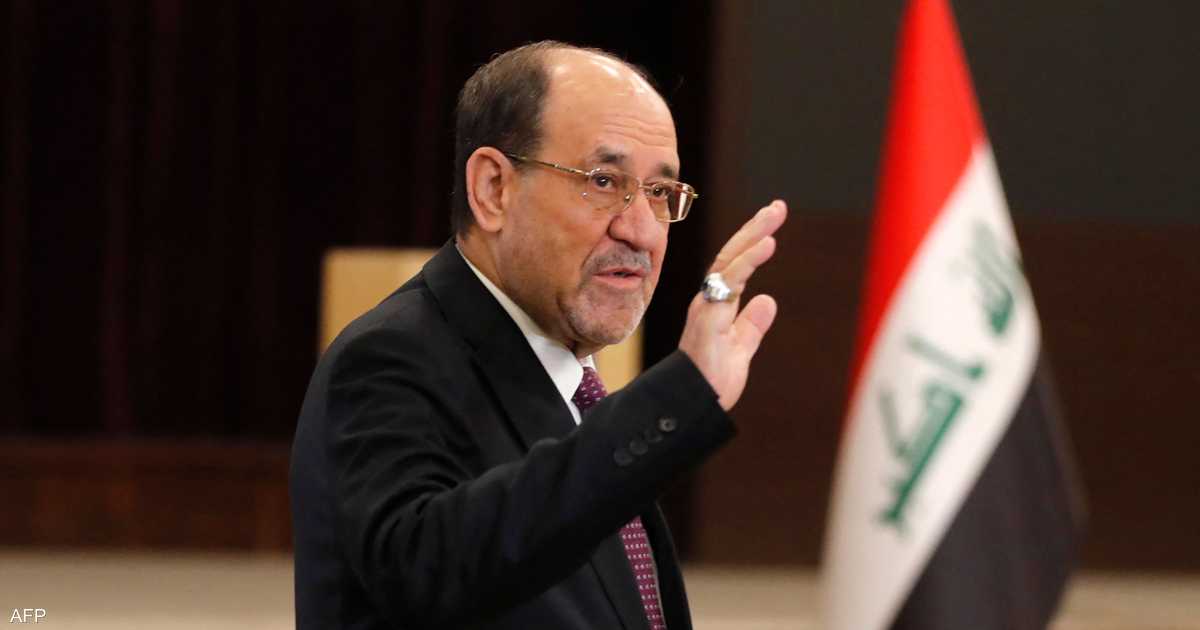
Political sources indicate that a group of figures, including Ammar al-Hakim, Qais Khazali, Muhammad Shia al-Sudani, and Haydar al-Abadi, have agreed to propose finding a successor to Nouri al-Maliki. The group aims to expand this consensus to include eight out of the twelve members of the political framework, seeking to secure the support of two-thirds of the bloc.
This development follows a recent warning from US President Donald Trump against reappointing Maliki, who is backed by Iran, as Prime Minister. Trump stated that if Maliki were to be elected, Washington would withhold assistance from Iraq, noting that the country slid into poverty and chaos during his previous tenure.
Maliki rejected the American remarks, characterizing them as unacceptable foreign intervention in Iraqi internal affairs and a violation of sovereignty. He asserted that diplomatic dialogue is the sole political option, rejecting what he termed dictation and threats.
Trump’s comments represent a clear example of his administration’s campaign to curb Iranian influence in Iraq, a nation Washington seeks to balance between its interests and those of Tehran. These warnings came after a coalition of Shiite political blocs announced it had selected Maliki as its candidate for Prime Minister, claiming it holds a parliamentary majority.
Maliki was the first prime minister elected following the US-led invasion of Iraq in 2003, which toppled Saddam Hussein. The decision surprised many Iraqis, who accuse Maliki of pursuing sectarian policies favoring the Shiite majority and placing Sunnis in danger during the rise of the “Islamic State” (ISIS).