
During the 40-day war, while Beijing and Moscow stood on the sidelines, Iran’s precise strikes on US targets in the Middle East indicated to analysts that the country relied on foreign intelligence sources. Intelligence reports suggest Russian and Chinese satellites provided Iran with imagery of targets in US military bases, a claim confirmed by an Iranian official. This official stated that Chinese and Russian technologies were highly useful during the conflict. He added that since the ceasefire, Iran has been in talks with China to acquire defensive technologies, though no delivery has been made yet.
Leigh Swann, a former CIA analyst and current director of space security at the Strategic and International Studies Center, noted that while Iran has a nascent space program, it exceeds the capabilities of its own satellites. He stated that China and Russia were at the top of the list of providers, regardless of formal arrangements.
Reports cited leaked intelligence documents indicating that Iran secretly used a Chinese spy satellite to target US military assets in the region. Despite these intelligence estimates, both Beijing and Moscow deny providing any intelligence assistance to Iran.
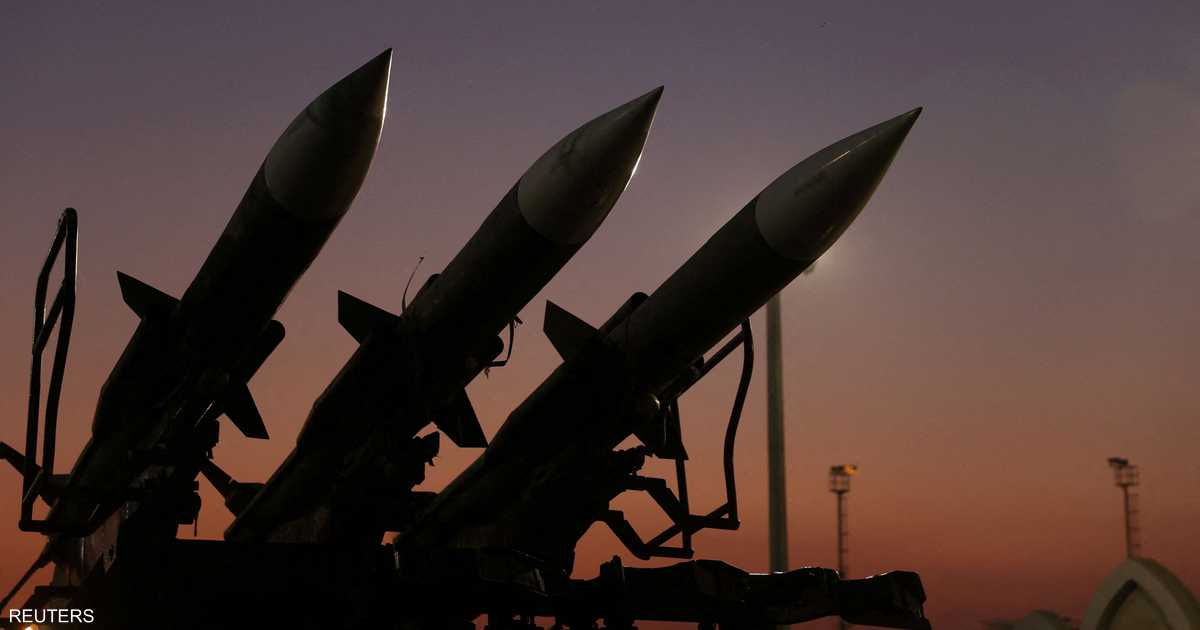
For years, Russia and Iran have exchanged weapons, with Iran sharing its experience in drone warfare during the conflict in Ukraine. Additionally, Chinese companies have sold dual-use technologies to Tehran to help build its missile arsenal. In recent weeks, US intelligence suggested China was preparing to deliver new air defense systems to Iran. Days later, former US President Donald Trump stated that he spoke with Chinese President Xi Jinping, who agreed not to send any weapons to Iran.
China provided Iran with a spy satellite named “TAE 01B” in late 2024, which is believed to have been used in the recent conflict. There are also doubts regarding whether Beijing is allowing Iran access to its 1,600 satellites in space.