Military sources indicate that the Israeli military views a potential change in Iran’s regime favorably and wishes to assist in creating the necessary conditions, though it acknowledges that military action alone is insufficient to guarantee such an outcome.
This position appears to contrast with statements made by Israeli Prime Minister Benjamin Netanyahu, who has oscillated between urging protesters to take to the streets to effect change and treating regime change as a potential event.
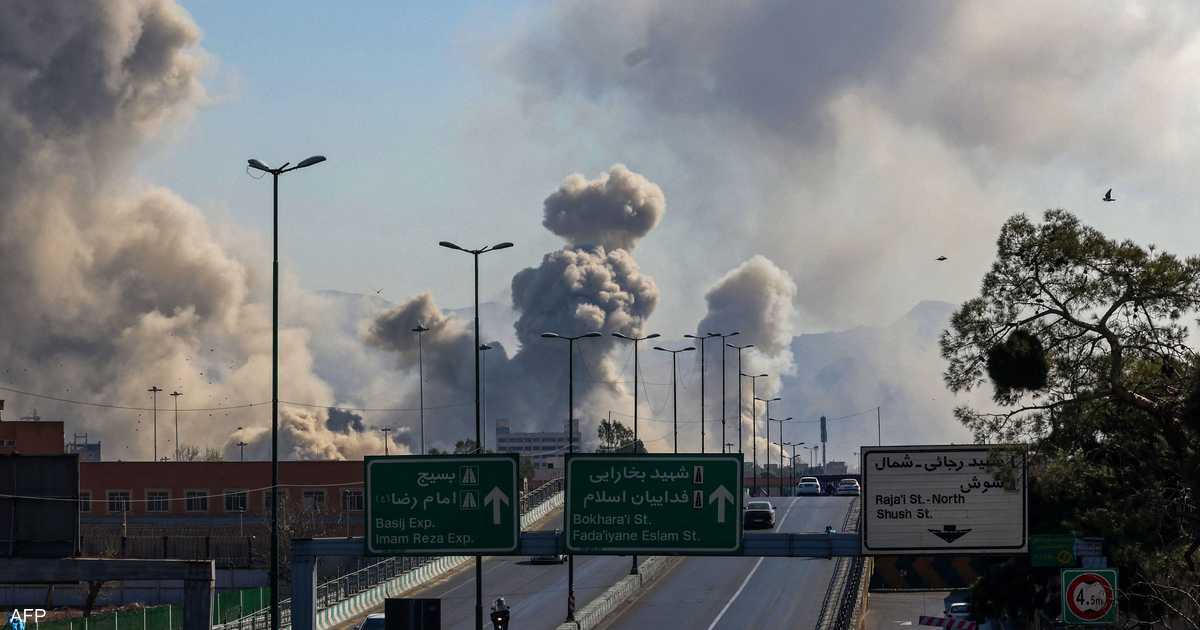
During a speech on Tuesday, Netanyahu urged the Iranian people to act in order to remove the current system, noting that joint military pressure with the United States had created a “chance” for change in Tehran. He described the current escalation as a “historic war for freedom,” highlighting that ongoing military operations had delivered unprecedented strikes against the Iranian leadership.
Regarding the military’s focus, sources confirmed that Israeli military officials have prioritized reducing the threat posed by the Iranian regime over pursuing immediate regime change.
In his only public address, IDF Chief of Staff Eyal Zamir emphasized in March the need to destroy as many Iranian ballistic missile launch platforms as possible as a primary objective. Zamir argued that delaying the attack would have allowed Tehran to expand its rocket arsenal, which is currently producing between 150 and 200 rockets monthly and nearing a rate of 300, a volume capable of overwhelming Israel’s defense systems.