Richard Weiss, Director of the Military and Political Analysis Center at the Hudson Institute, shed light on the repercussions of these threats and the mechanisms of a potential US and allied response, with a clear indication of a possible Chinese role in this context.
The Strait of Hormuz is under pressure… The impact of escalation on oil and trade
Escalating warnings and long-term risks
Weiss confirmed that US concerns regarding Iran are no longer limited to the short term but include long-term threats to close the Strait of Hormuz. He stated: “We have seen increasing caution and warnings regarding the permanent and long-term threat of closing the strait.”
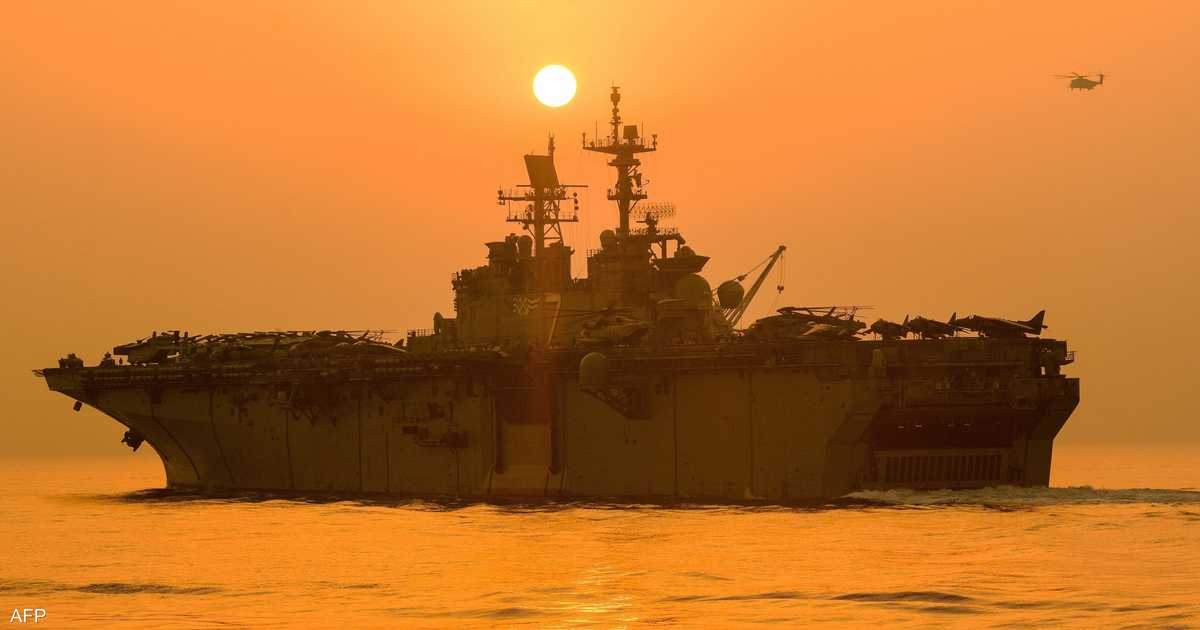
Despite Iran’s ability to plant mines or threaten navigation via drones and remaining vessels, Weiss believes the US will intervene forcefully to ensure the protection of the Strait of Hormuz and oil production sites.
He added that Iran has lost more than 90% of its naval power, limiting its practical capabilities, although limited but still possible challenges remain.
Protecting the global economy and international interests
Weiss considered that protecting the Strait of Hormuz is not just an American interest but affects the global economy, adding: “This is in the interest of the whole world, just as it is in the interest of the Iranians to cause the most possible damage to global trade.”
He stressed the necessity of European and NATO participation in protecting international trade routes, citing the Chinese navy’s record in combating piracy to ensure navigation freedom.
US forces destroyed 16 Iranian mine-laying vessels near the Strait of Hormuz.
He clarified that the biggest challenge for Americans lies in small Iranian vessels and drones, which have the ability to evade traditional attacks.
A US response could include cooperation with Ukraine to ensure the protection of transit freedom through the strait.
He also confirmed that US and Israeli strikes focused on fixed targets, while tracking the moving sources of Iranian escalation is very difficult, calling for European intervention to secure vital passages.