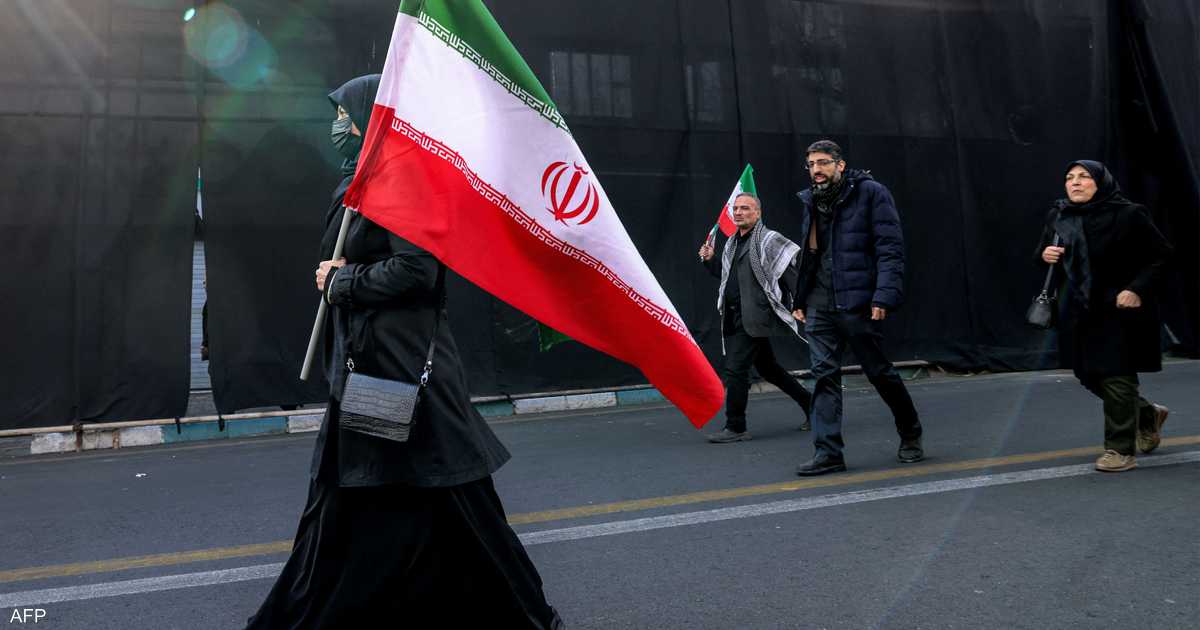
Chants opposing the election of Ebrahim Raisi as Supreme Leader were reported in Tehran, following the circulation of videos on social media expressing rejection of the decision.
Analysts and observers have highlighted widespread criticism within Iranian society regarding the appointment of Raisi. They express concern over the concentration of power within the family and the potential impact on political and social reform efforts in the country.
Mehdi Akhbari, a member of the National Council of Resistance of Iran, described the regime’s attempt to transform religious dictatorship into a hereditary sultanate through Raisi’s succession as a desperate move unlikely to save the system from its inevitable collapse. He stated that the current Iranian regime lacks credibility and legitimacy among the people, noting that Raisi’s rise represents a continuation of the theft of popular sovereignty. Akhbari emphasized that Raisi served as his father’s right hand for three decades in repression, exporting terrorism, and plundering national wealth. He asserted that the Iranian people reject a return to the past or the acceptance of current dictatorship, aiming instead for a democratic republic based on the separation of religion and the state, gender equality, and a non-nuclear Iran living in peace with its neighbors. Akhbari also argued that the strategic reality has shifted, placing the regime in a state of internal war with the people, which calls into question its ability to sustain proxy support at the same pace amidst rising waves of change.
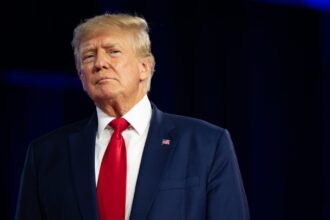
Researcher Jehad Abdul Rahman noted that the Iranian street received the appointment of the new Supreme Leader with disappointment, recalling the suffering the people endured under his father’s rule. He added that Raisi did not enter politics directly but was solely a security figure, leading the public to treat this phase with extreme caution. Abdul Rahman suggested this might push Raisi to become more rigid, potentially turning the government into a military one rather than a political one inside the country. He pointed out that the appointment was not widely welcomed by the street, signaling that the Iranian system is moving towards escalation rather than de-escalation, particularly as former U.S. President Donald Trump expressed unhappiness with the choice. Trump stated his preference for someone who can achieve peace and harmony in Iran. Abdul Rahman also speculated that Raisi is likely to be more rigid, given his background as a security and religious figure, potentially increasing the role of the Revolutionary Guard and the hardline right wing within Iran.