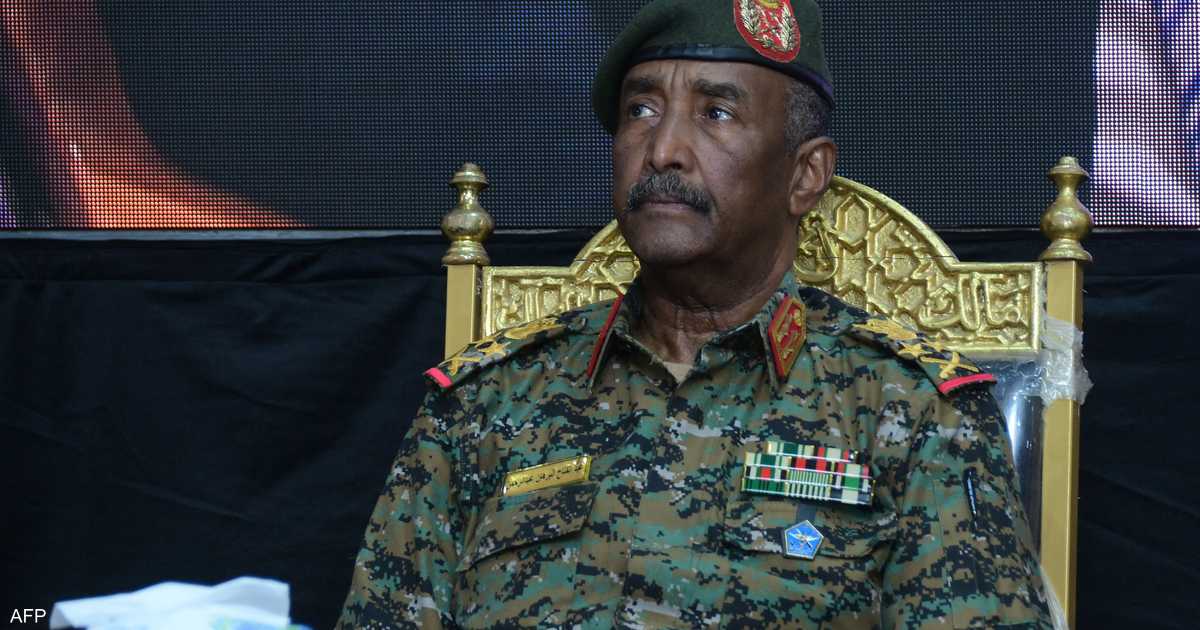
The recording sheds light on the complex power dynamics within the state, portraying the military as the face of power while Islamist networks operate behind the scenes, controlling military and political decision-making.
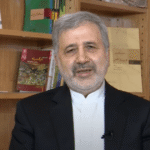
The statements gained significance due to Al-Kibre’s position within the Sudanese Islamist movement. He is a historical leader, currently heads the Shura Council of the National Congress Party, and previously served as Vice President under former President Omar al-Bashir, holding a top position in the hierarchy during three decades of rule.
This background gives his words weight, as they appear to be a testimony from within the decision-making circle of the movement regarding its relationship with the military institution.
In the most critical part of the recording, Al-Kibre provides a direct account of how Burhan reached the presidency of the Sovereign Council after Bashir’s fall. According to him, Burhan was not a central figure in the military at that time; he was pushed to the leadership position after the resignation of the previous commander to fill the political and military void.
In a significant excerpt, Al-Kibre states, “Burhan had no value in the army and was nothing more than a guard. We brought him from the start to be the head of the military council to crush the revolution and restore our power.” This statement presents a different narrative than the official one, which portrayed Burhan as a commander leading a complex transition phase.
The leak suggests not just a political alliance but a more complex relationship of political and organizational dependency. Al-Kibre claims Burhan publicly attacked Islamists under international pressure, but internal channels confirmed this was a tactic to absorb external pressure.
This contradiction reflects the delicate balances governing the relationship. Al-Kibre claims the Islamist movement retains an influential presence in security and military institutions, a presence formed over decades through a complex web of loyalties during the Bashir era.
The recording extends to armed forces fighting in Sudanese battlefields. Beyond regular forces, Islamist formations like the Al-Bara’ bin Malik Brigade have emerged in various combat fronts, complicating the military landscape.
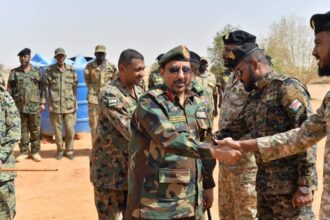
The recording also scrutinizes Burhan’s previous statements, where he repeatedly denied the presence of Islamists in the military. In a widely circulated video, Burhan sarcastically asked, “Where are the Islamists? Where are the Kizzan?” (a term for the Muslim Brotherhood).
Al-Kibre’s account regarding the future suggests the movement does not view Burhan as a permanent ruler but as a transitional phase to reorganize. This reveals a complex equation of power: the military leads the state publicly, while an Islamist network manages the strings from behind the scenes.
This exposes a reality different from appearances. If Burhan is the official face, negotiating with him may not mean negotiating with the real decision-makers. The recording highlights the irony between Burhan’s public denial and Al-Kibre’s insider revelation, suggesting that despite the US designation of the movement as a foreign terrorist organization, it remains a key player in Sudan’s power structure.