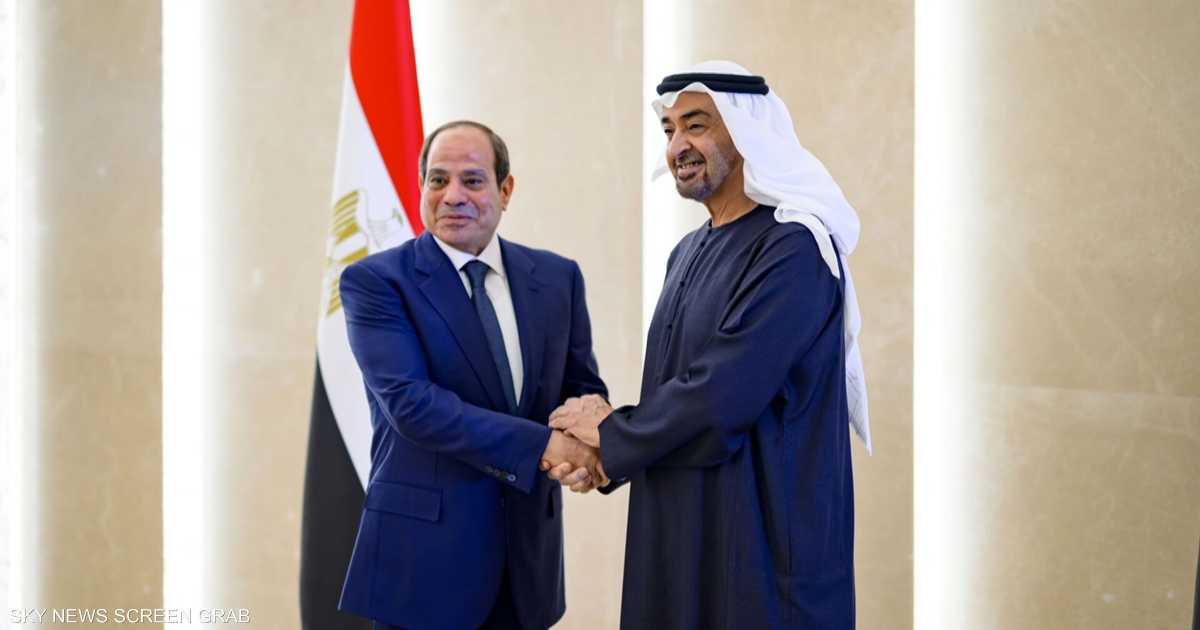
The critical timing of the situation in Gaza, combined with the density of files under discussion, has shifted focus to the Iranian-American tension and Red Sea security. This situation highlights the weight of Cairo and Abu Dhabi in regional balance equations and the role of Arab coordination in facing transformations that could redraw influence maps in the region.
In an analytical reading, Mohamed Al-Sofaawi, a researcher in international relations, and Emad El-Din Hussein, MP and editor-in-chief of “Al-Shorouk” newspaper, offered a diagnosis based on the accumulated meetings between the leaders of the two countries and the nature of explosive files on the table.
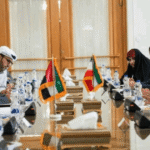
Al-Sofaawi described the recent visit as going beyond formal ties, asserting that bilateral relations are deep and firm, involving regular and sustainable coordination in various fields. He noted that this visit comes amid strategic developments in the region, most notably the Gaza file, the Iranian file, Red Sea security, and the situation in the Horn of Africa, making consultation between the Egyptian President and Sheikh Mohamed bin Zayed a necessity. Al-Sofaawi added that the weight of both Egypt and the UAE in the region makes their views pivotal in preserving regional stability and providing a common vision on contentious issues, reflecting the active role of both states in formulating major regional decisions.
Al-Sofaawi explained that the Gaza file is one of the most prominent files on the agenda, pointing to the importance of convening the Global Peace Council established by US President Donald Trump with major countries to formulate a common vision serving the Palestinian cause, especially given its significant impact on the regional situation. He also discussed Iran-US negotiations, warning of potential escalation to a dangerous stage if any unintended error occurs, emphasizing that coordination between Egypt and the UAE is a cornerstone in preventing any potential slide. He added the need for broader Arab coordination, including the Arab League, to ensure the Arab voice is present in shaping regional policies.
Al-Sofaawi reiterated the depth of Egyptian-UAE relations, stating that cooperation is not merely a divergence on some files but extends through strategic agreements and overlapping interests, representing a guarantee of the strength of this relationship and its role in serving the interests of the entire region.
Hussein viewed the Egyptian President’s visit to the UAE as inseparable from a long history of bilateral meetings. He noted that the period since 2013 saw nearly 60 summits and meetings between the President and Sheikh Mohamed bin Zayed, a number he describes as significant, being the largest in the President’s meetings with Arab leaders and friendly states. He considers this dense presence reflects, in numbers, the volume of relations and understanding in multiple files, noting that meetings sometimes have a brotherly and informal character alongside reciprocal official visits in Abu Dhabi, Cairo, or Al-Ain, enhancing the strategic nature of the relationship.
Hussein moved from the implications of relations to the files on the table, noting that the future of Gaza may determine not only the path of the Palestinian cause but perhaps the future of the entire region. In this context, he raised the existence of an Israeli vision speaking of “redrawing the region,” which he believes requires an Arab counter-vision preserving peace and stability, away from Israeli conditions, and safeguarding Arab rights and national security. He emphasized the importance of Egyptian-UAE coordination, whether bilaterally or within broader frameworks including Saudi Arabia and Jordan, pointing to the role both states play within the active Arab-Islamic committee on the Gaza file and movements aimed at stopping fire and moving to the second phase.
Hussein recalled Trump’s statements after assuming the presidency regarding the displacement of Palestinians to Sinai or Jordan, noting that Egypt rejected this with broad Arab and Islamic support, leading to the presentation of an Arab counter-plan that Washington adopted some elements of.