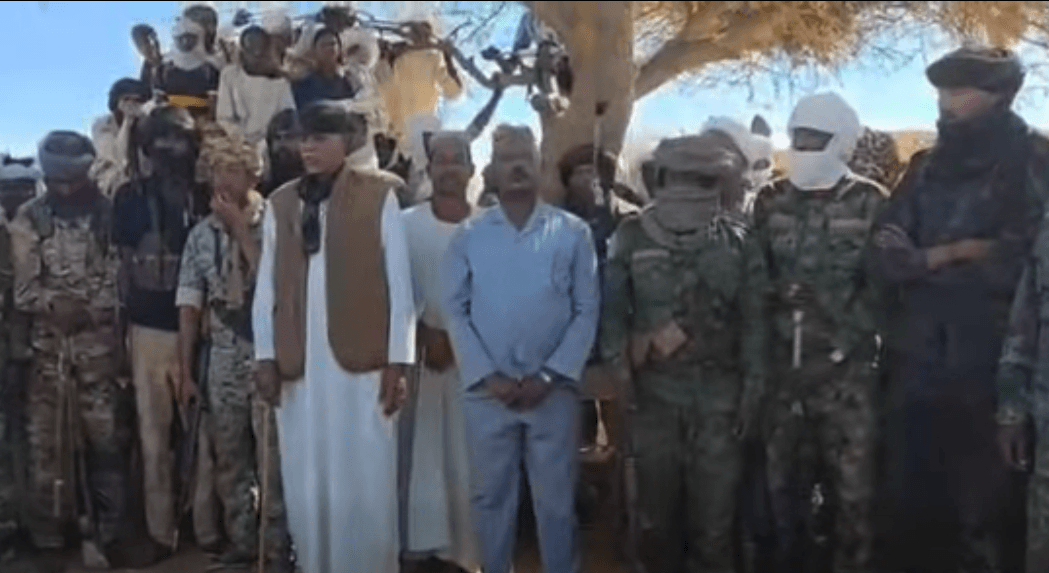
Musa Hilal faces a critical juncture following his departure from Al-Dabbah in the Northern State, with analysts suggesting that viable alternatives for relocation are scarce. It is argued that countries such as Chad would be unlikely to grant asylum to Hilal due to their reluctance to provoke Abu Dhabi and the risk of internal conflict spilling over into their borders.
The dilemma facing Hilal regarding his conflict with Hemedti is described as resembling his earlier struggles with the Khartoum government, specifically characterized by hesitation and a lack of decisive action during critical moments. Historically, the state armed Arab tribes to confront the rebellion; instead of military confrontation, Hilal chose a political approach that preserved his leadership title. This decision reportedly alienated the central authority, which subsequently sought a replacement, a move that ultimately facilitated Hemedti’s rise.
Hilal is not expected to join the national army or the joint forces, as he lacks the capacity to mobilize the masses. His tribe places a high value on education and culture, meaning the majority are not easily swayed by tribal mobilization. Those who aligned with Hemedti were primarily driven by financial gain and ethnic motives. Consequently, Hilal is viewed as having lost his historical relevance and influence, with no future role anticipated in political developments or reconciliation processes.